










Rural broadband funding has reshaped the infrastructure conversation in the United States. Federal and state programs have accelerated investment, deployment timelines are moving forward, and coverage expansion remains a central objective. Yet as rural broadband deployment advances, a quieter reality is emerging: capital alone does not resolve geographic constraints.
In extreme environments such as Alaska, broadband infrastructure deployment underscores a structural dynamic that applies broadly to rural markets — geography shapes the execution.
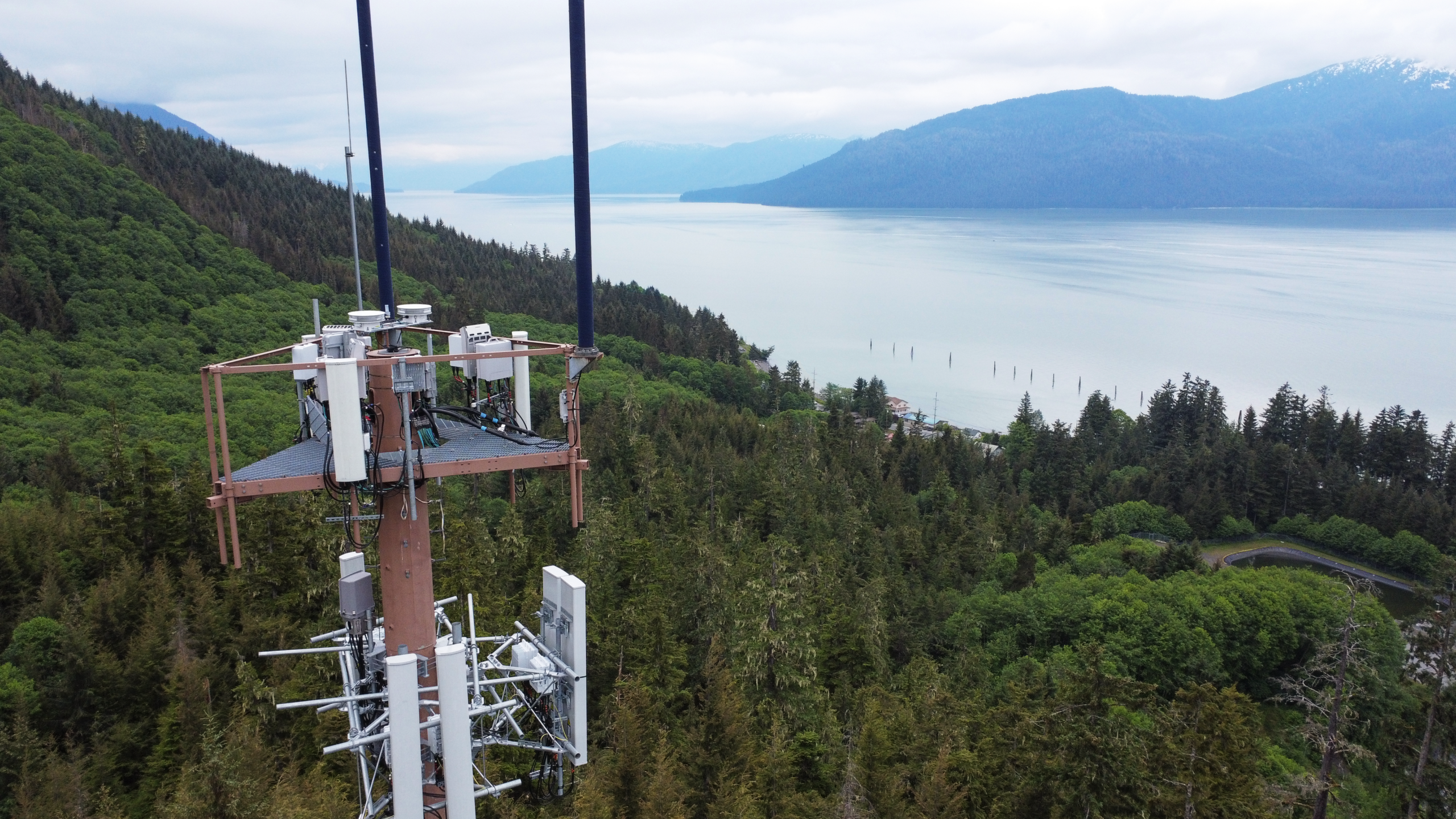
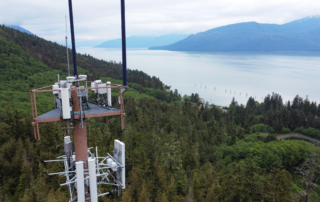
Alaska is frequently described as exceptional due to its terrain, climate exposure, and dispersed communities. But rather than viewing the state solely as an outlier, it may be more accurate to see it as a magnified example of the rural broadband deployment challenges present (at varying degrees) across rural America.
If the first phase of rural broadband expansion was about extending reach, the next phase is about sustaining reliable networks under constraint.
How Geography Impacts Rural Broadband Deployment
Deploying broadband infrastructure in rural and remote areas introduces variables that do not appear at the same scale in more densely populated markets. Distance between service locations, environmental volatility, difficult terrain, and access limitations alter how projects are designed, sequenced, and maintained.
“There’s over 20 communities in southeast Alaska, ranging from a few dozen people to several thousand. Like here in Sitka, where we have over 8,000 people. It’s an archipelago, so it’s not connected by roads. It’s not connected by fiber or other means of connectivity. During COVID it became very apparent to everyone that – education, healthcare, economic development – all the things that make a society, a society had to be re-evaluated. And it needed broadband.”
-Chris Cropley, Tidal Network
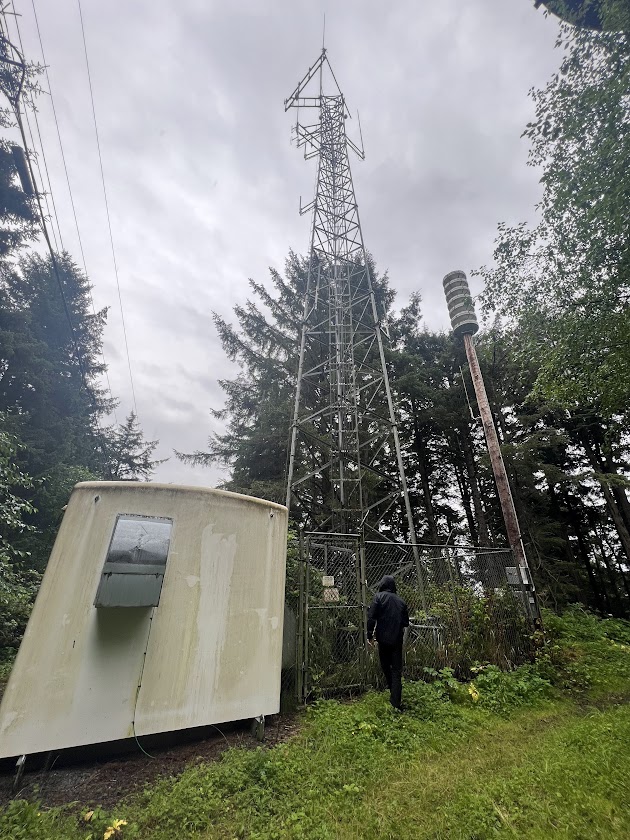
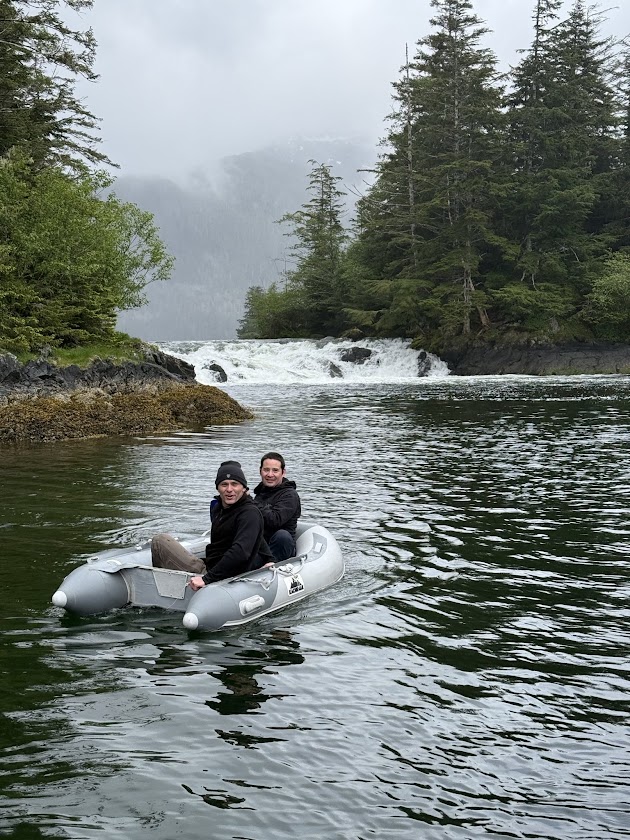
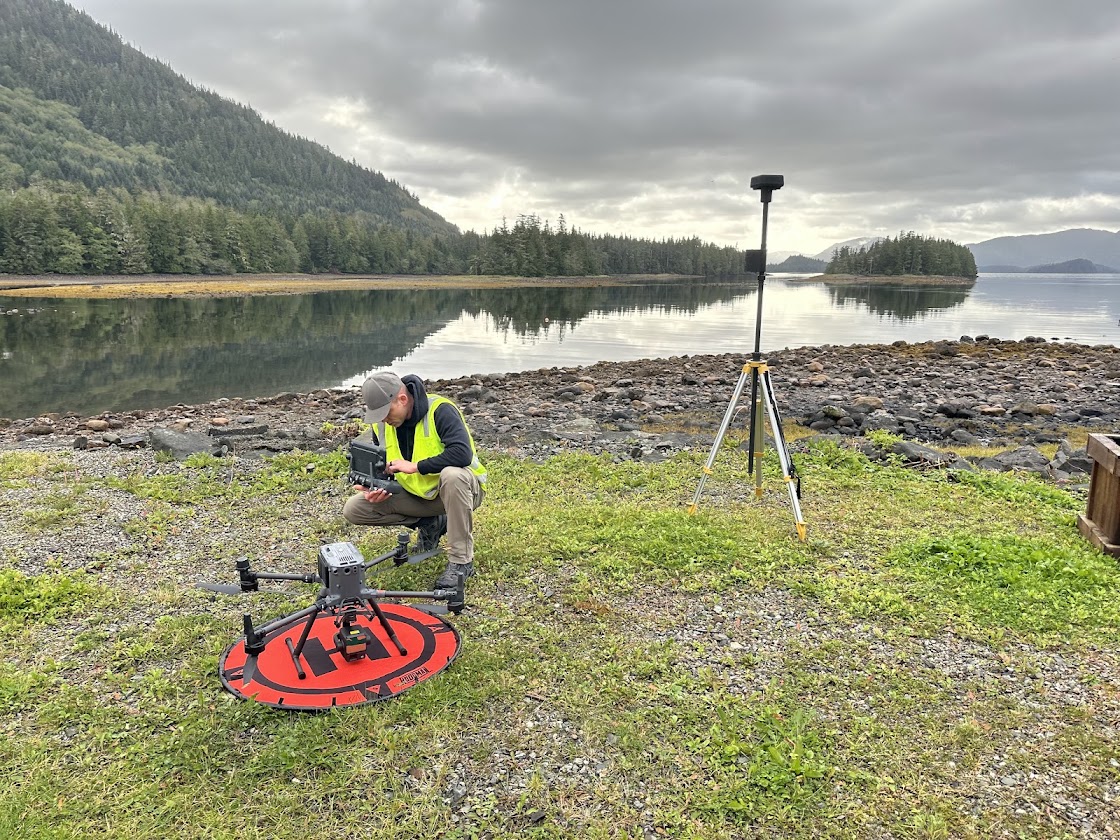

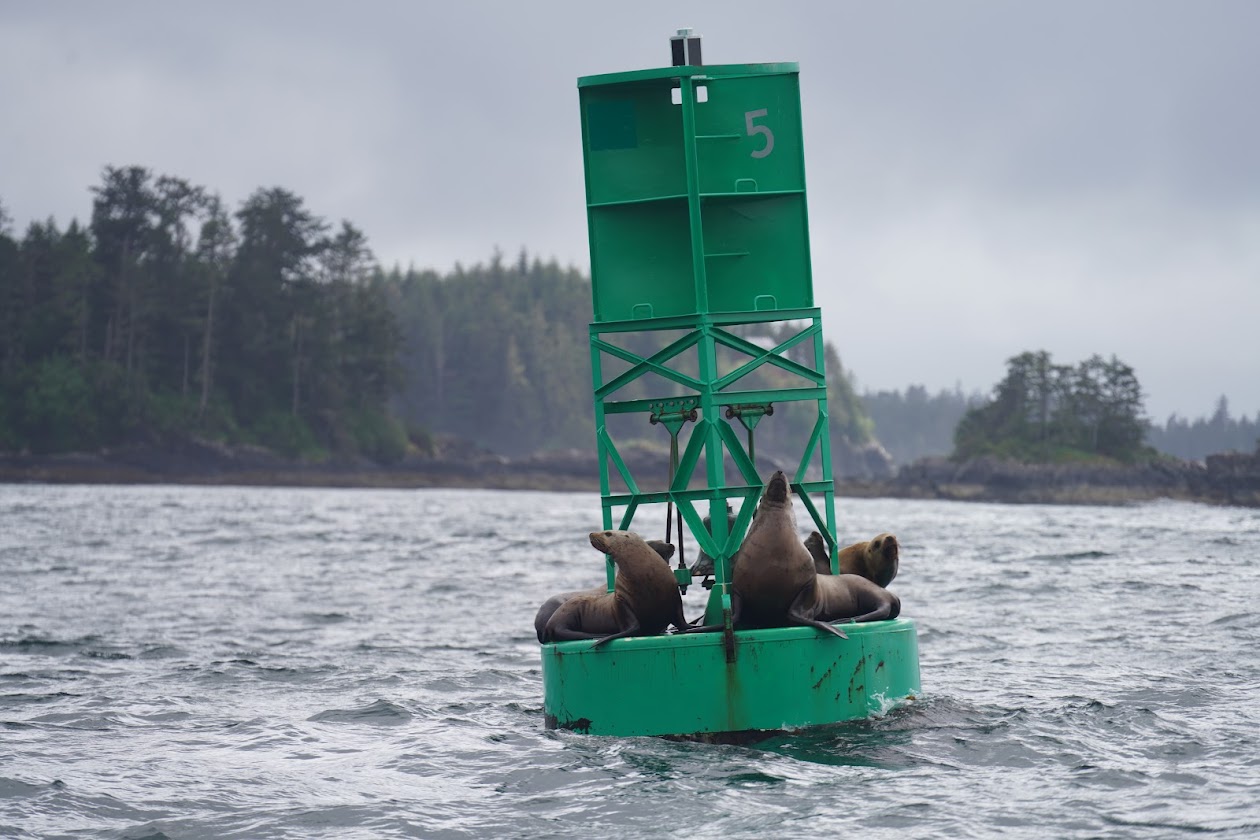
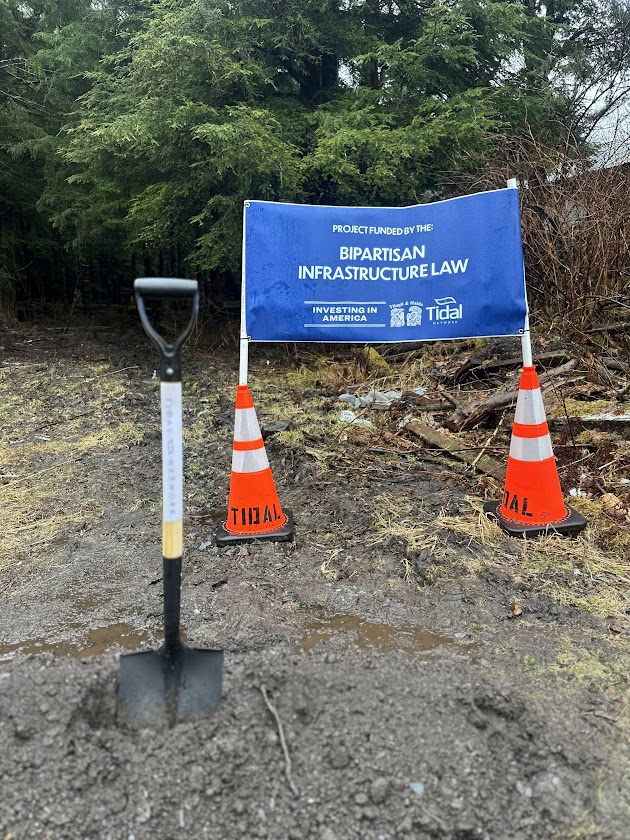
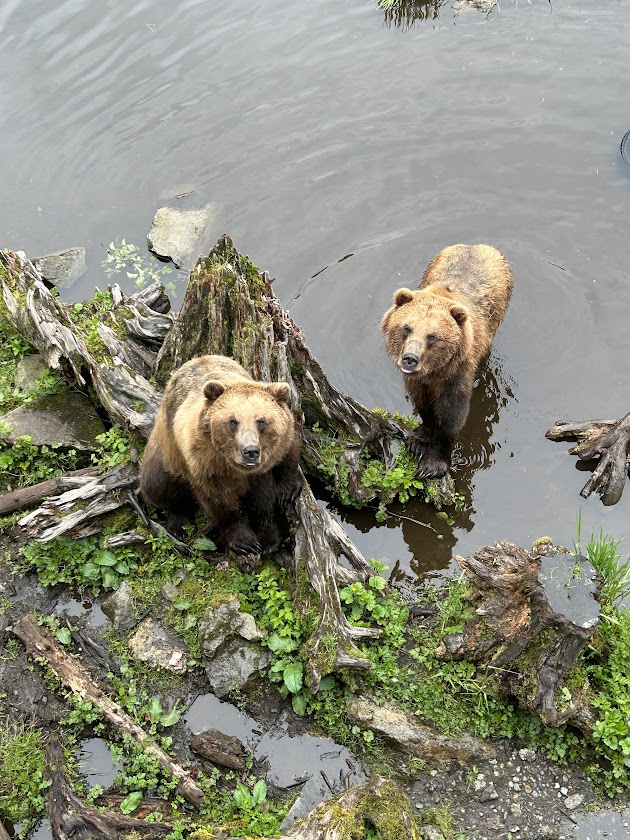
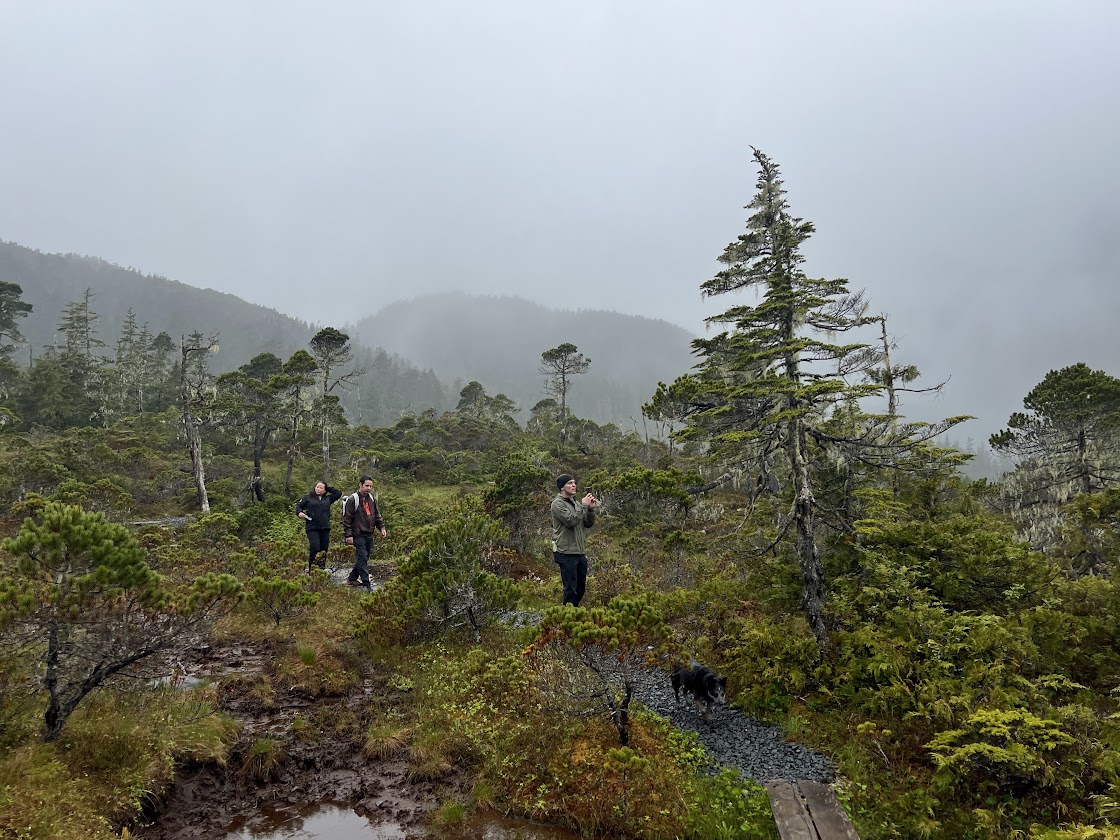
Environmental durability becomes foundational rather than supplementary. Power redundancy, hardened infrastructure, and long-term performance planning take on increased importance where site access may be limited or weather-dependent.
Although Alaska’s challenges are unique in scale, rural broadband networks nationwide often face similar challenges, including long travel distances, workforce dispersion, difficult terrain, and geographically complex field coordination.
The result is a fundamental shift in how rural broadband infrastructure must be planned. Network design cannot focus exclusively on reaching a location. It must also account for what will be required to keep that location connected.
Why Rural Broadband Network Reliability Matters After Deployment
Recent broadband initiatives have appropriately emphasized connectivity expansion. However, deployment milestones do not conclude the infrastructure lifecycle.
“We spend as much time with our customers, in this case with Tidal Network and Tlingit and Haida, to understand how we can use the resources that we have available to us to adapt to any circumstance, any environment, and do our best to provide an outcome that will last for generations.”
– Jessie Rico, Pierson Wireless
For rural broadband deployment, network activation is only one milestone. Long-term success also depends on monitoring, maintenance, operational visibility and the ability to respond when infrastructure is geographically difficult to access.
That shift—from activation to accountability—applies well beyond northern geographies. As rural broadband networks expand across varied terrain nationally, monitoring, coordination and maintenance planning increasingly determine network reliability and long-term performance.
Grant frameworks define coverage obligations. Geography influences service continuity.
Coordinating Rural Broadband Infrastructure Deployment
Complex environments amplify the importance of coordination across engineering, compliance, field operations, and ongoing network management. Limited access and projects spanning multiple locations require teams to stay close collaboration and alignment.
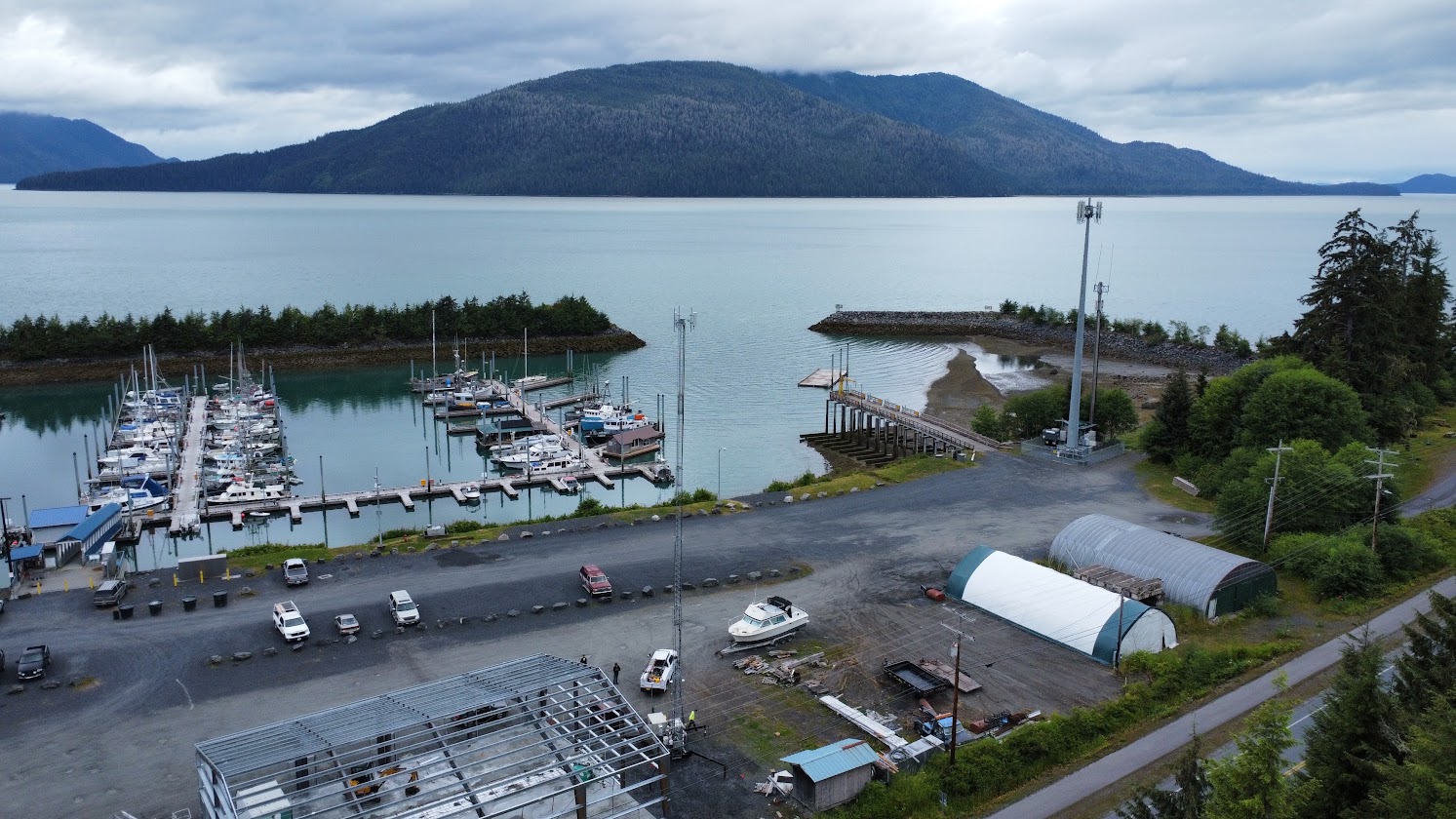
“Here we have to barge everything in. And barges are at the whim of the ocean and the price of fuel. We don’t have the hard infrastructure. So, what’s the tallest crane in some of these communities? In order to stack 120ft or 190ft towers we need to bring the equipment to the community. Doing that has its own logistical challenges.”
– Chris Cropley, Tidal Network
This observation extends nationally. As broadband infrastructure projects compete for technical labor and operate across geographically varied terrain, integrated execution models become increasingly critical.
A project may require coordination among network designers, field technicians, local stakeholders, equipment providers, construction teams, and operations personnel – often across substantial distances.
In these environments, collaboration is not simply a project-management function. It becomes a form of infrastructure itself.
Building Resilient Broadband Networks for Rural Environments
Environmental variability has elevated resilience considerations across the telecom industry. While Alaska’s climatic conditions are widely recognized as demanding, weather-related design considerations are gaining relevance for rural broadband infrastructure nationwide.
Hardening standards, power redundancy and contingency planning are no longer considerations isolated to traditionally high-risk regions. Durability and adaptability are becoming baseline expectations for reliable broadband networks, particularly where service interruptions may be difficult or time-consuming to address.
“We’re not following some cookie cutter model to go build infrastructure. We have to make this playbook together, learn and be adaptable from day to day, minute to minute and we have to make sure that we can deliver every service that you need to be successful. We take a great amount of pride in that adaptability and resiliency through these changes.”
– Jessie Rico, Pierson Wireless
For remote broadband networks, resilience also means anticipating the operational consequences of distance. A network that can technically serve a remote location must also be designed around how that infrastructure will be monitored, accessed, repaired, and maintained over time.
Extreme geographies make these requirements visible. They do not create them.
Moving From Rural Broadband Coverage to Long-Term Network Performance
Closing coverage gaps remains essential in rural America. But the durability of those networks – and their ability to withstand environmental, logistical, and workforce pressures – will increasingly define long-term success.
The next stage of rural connectivity requires looking beyond whether coverage exists and toward whether the underlying infrastructure can consistently deliver the intended level of service.
Long-term broadband network performance increasingly depends on several interconnected capabilities:
- Environmental resilience
- Coordinated deployment frameworks
- Sustainable maintenance pathways
- Network monitoring and operational visibility
- Power and infrastructure redundancy
- Adaptability under geographic constraint
Distance, terrain, and climate introduce execution discipline. Remote regions highlight the necessity of aligning engineering, operations and lifecycle planning from the outset.
“Ross Pierson has instilled adaptability, diversity of solutions for outcomes – not trying to shoehorn an existing solution that works for everyone”
– Jessie Rico, Pierson Wireless
The distinction matters because broadband infrastructure deployment is ultimately not a one-time construction exercise. The value of the network is realized over years of operation.
What Alaska Can Teach Us About Rural Broadband Deployment
Alaska’s deployment landscape is distinctive, but the structural themes it reveals (geographic complexity, coordination intensity, environmental durability, and long-term maintainability) are not isolated phenomena.
Instead, Alaska provides a concentrated view of the challenges facing rural broadband deployment across the United States.
As broadband expansion progresses nationwide, successful deployment will require more than capital availability and coverage targets. It will require infrastructure strategies grounded in the realities of terrain, climate, workforce availability, network operations and long-term maintenance.
The organizations best positioned to deliver sustainable rural broadband connectivity will be those that consider these realities before deployment rather than after problems emerge.
What works at the geographic edge often clarifies what is required everywhere.
In that sense, Alaska is not an anomaly. It is a lens into the future of rural broadband infrastructure.








Leave A Comment